Standard-Abkantstanze: Die vielseitige Grundlage für alltägliche Biegearbeiten
Sep 02, 2026
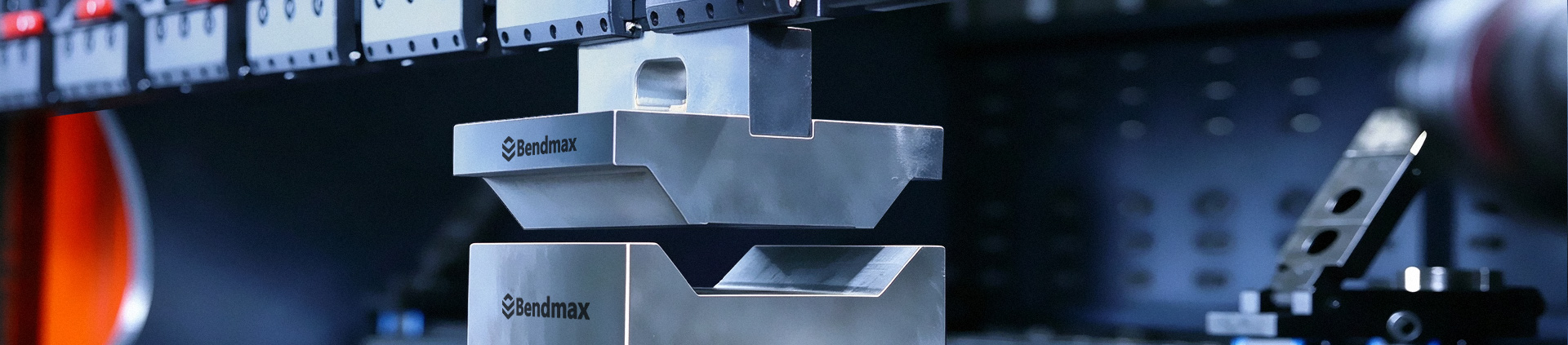
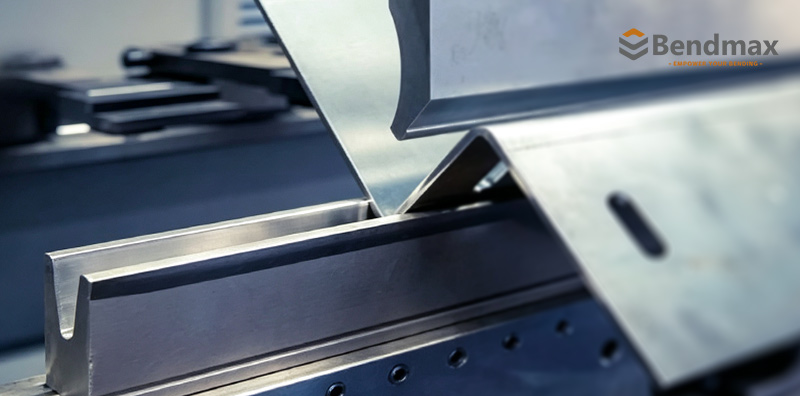
Standard-Abkantstanze: Die vielseitige Grundlage für alltägliche BiegearbeitenKonzipiert für hohe Biegebelastungen, zuverlässige Produktion und vielseitige BlechumformungIn früheren Artikeln des Bendmax-Blogs haben wir zahlreiche Beiträge zu Abkantpressenlösungen, Werkzeuganwendungen und Produktvergleichen veröffentlicht. Diese Artikel konzentrieren sich auf spezifische Herausforderungen beim Biegen und praktische Lösungen.Beim Erlernen von Werkzeugen für Abkantpressen findet man leicht verstreute Informationen – ein Stempelprofil an einer Stelle, eine Werkzeugauswahlhilfe an einer anderen und ein Anwendungsbeispiel auf einer weiteren Seite. Was oft fehlt, ist ein klares und systematisches Verständnis der gängigen Werkzeuge für das Abkanten.Deshalb stellen wir Ihnen unsere neue Serie „Gebräuchliche Abkantpressenwerkzeuge“ vor.In dieser Reihe stellen wir Ihnen nacheinander gängige Stempel, Matrizen und Werkzeugzubehör für Abkantpressen vor, um Ihnen ein umfassenderes Verständnis der Funktionsweise dieser Werkzeuge und der Gründe für die Existenz verschiedener Ausführungen zu vermitteln.Aus der Sicht eines technischen Ingenieurs werden wir die Konstruktionsprinzipien, Funktionen, Arbeitsweisen und typischen Anwendungsbereiche jedes Werkzeugs untersuchen. Noch wichtiger ist jedoch, dass wir die ingenieurtechnischen Fragestellungen hinter den Werkzeugen betrachten werden:Warum sind manche Stempel gerade, während andere eine Schwanenhalsform aufweisen? Warum gibt es V-Matrizen mit unterschiedlichen V-Öffnungen? Wann sollte man einen Standardstempel anstelle eines Schwanenhalsstempels wählen? Und was ist zu tun, wenn Standardwerkzeuge das benötigte Werkstück nicht formen können?Anstatt einfach nur die Produktspezifikationen aufzulisten, möchten wir erklären, warum ein Werkzeug so konstruiert ist, welches Problem es lösen soll, wie es beim Biegevorgang funktioniert und wann die Wahl dieses Werkzeugs die richtige Entscheidung ist.Wir hoffen, dass diese Serie zu einem praktischen Nachschlagewerk für alle werden kann, die neu in der Werkzeugbranche für Abkantpressen sind – egal ob Maschinenbediener, Werkzeugkäufer, Vertriebsingenieur, Konstrukteur, Fertigungsmitarbeiter oder einfach jemand, der gerade erst anfängt zu lernen, wie Abkantpressenwerkzeuge funktionieren.Diese Reihe ist jedoch nicht als einseitiger technischer Leitfaden gedacht.Wir sind der Überzeugung, dass echtes Werkzeugwissen aus Fragen, Anwendungen und praktischer Biegeerfahrung entsteht.Wenn Sie Fragen zu Stempeln oder Matrizen haben, sich nicht sicher sind, welches Werkzeugsystem für Ihre Abkantpresse geeignet ist, oder ein bestimmtes Werkstück biegen möchten, aber nicht wissen, wie Sie es formen sollen, können Sie sich gerne an uns wenden.Sie können uns Ihre Zeichnung, Maße, Materialangaben, Dicke, Biegewinkel und weitere Informationen zukommen lassen oder einfach Ihr Problem beschreiben. Gerne besprechen wir mit Ihnen verschiedene Werkzeugoptionen und finden eine praktikable Lösung.Denn die beste Werkzeuglösung beginnt nicht immer mit einer Produktnummer. Manchmal beginnt sie mit einer Frage.Willkommen zur Bendmax-Serie „Gängige Abkantpressenwerkzeuge“:Beginnen Sie mit StärkeBei der Auswahl eines Stempels für eine Abkantpresse benötigen viele Biegearbeiten kein kompliziertes Werkzeug.Sie brauchen etwas Robustes, Stabiles und Zuverlässiges.Hier kommt der Heavy-Duty Standard Punch ins Spiel.Als eines der am häufigsten verwendeten oberen Werkzeuge für das Abkanten mit einer Abkantpresse basiert der Standardstempel auf einem einfachen Konstruktionsprinzip: Er bietet eine robuste Arbeitsgeometrie, die anspruchsvollen Biegebelastungen standhält und gleichzeitig vielseitig genug für die tägliche Produktion ist.Für allgemeine Blechbiegearbeiten ist der Standardstempel aufgrund seiner Kombination aus Festigkeit, Stabilität und Flexibilität eine wichtige Grundlage für ein modernes Abkantpressen-Werkzeugsystem.Doch Festigkeit ist nicht die Lösung für jedes Biegeproblem.Wenn die Werkstücke tiefer werden, die Profile komplexer werden und sich die Rücklaufflansche weiter um den Stempel bewegen, tritt ein weiteres Problem auf:Möglicherweise ist um den Schlag herum einfach nicht genügend Platz.Und das führt zur nächsten Frage in unserer Werkzeugserie:Was passiert, wenn der Standard-Stanzer keinen Platz mehr hat?Die Antwort ist nicht immer ein stärkerer Schlag.Manchmal liegt die Antwort in einer anderen Geometrie.Wenn Standard-Stanzen an ihre Grenzen stoßen, schaffen Schwanenhals-Stanzen Platz.1. Was ist ein Standard-Abkantpressstempel?Ein Standardstempel ist das obere Werkzeug, das an einer Abkantpresse installiert ist, um Bleche gegen eine untere V-Matrize zu formen.Beim Biegen bewegt sich der Stempel nach unten und drückt das Werkstück in die Matrizenöffnung. Beim Freibiegen wird das Blech von den Schultern der V-Matrize gestützt, während der Stempel die Biegeposition und die Umformtiefe steuert.Der Standardstempel ist für eine breite Palette gängiger Biegevorgänge ausgelegt, darunter:Allgemeine 90°-BiegungBlechbearbeitungPlattenbiegungStrukturelle KomponentenSchränke und GehäuseRahmen und HalterungenAllgemeine FertigungsarbeitenSein vergleichsweise robuster Körper bietet eine gute Widerstandsfähigkeit gegen Biegebelastungen, während die Arbeitsnase bestimmt, wie die Kraft in das Material übertragen wird.Einfach ausgedrückt:Der Standardstempel ist der zuverlässige Allrounder unter den Werkzeugsystemen für Abkantpressen.2. Warum braucht ein Standard-Schlag einen starken Körper?Das Biegen mit einer Abkantpresse erzeugt erhebliche Umformkräfte.Der Stempel muss diesen Kräften wiederholt standhalten, ohne dass es zu übermäßiger Verformung, Instabilität oder vorzeitigem Verschleiß kommt.Ein robuster Schlagkörper trägt dazu bei, Folgendes zu gewährleisten:Hohe strukturelle StabilitätBessere Beständigkeit gegen BiegebelastungenGleichmäßige WerkzeugpositionierungLangzeit-DimensionszuverlässigkeitBessere Eignung für anspruchsvolle ProduktionFür spezielle, hochbelastbare Bendmax-Konfigurationen können die Werkzeuge für Anwendungen mit hoher Belastung ausgelegt werden, wobei einige Ausführungen eine maximale Belastbarkeit von bis zu 1000 kN/m erreichen.Allerdings sollte dieser Wert stets als produktspezifische Angabe und nicht als universelle Kapazität für jeden Standard-Stanzer betrachtet werden.Die tatsächliche zulässige Belastung hängt von Faktoren wie beispielsweise Folgendem ab:StanzgeometrieMaterialWerkzeughöheQuerschnittArbeitsradiusBiegemethodeMaschinenkapazitätWerkstückgeometrieDies ist ein wichtiger Unterschied bei der Auswahl von Hochleistungswerkzeugen.Ein kräftiger aussehender Schlag bedeutet nicht automatisch eine höhere Schlagkraft.Die Gesamtkonstruktion des Werkzeugs bestimmt seine Arbeitslast.3. Die Geometrie hinter dem Freiraum bei kurzen FlanschenEin Standardstempel ist nicht einfach ein gerader Block aus gehärtetem Stahl.Sein Profil ist sorgfältig um den Biegebereich herum gestaltet.Viele Standard-Stanzformen weisen eine leichte konkave Vertiefung auf der Innenseite auf, während die Außenseiten relativ flach bleiben.Durch diese Geometrie entsteht ein ausreichender Freiraum um das Werkstück herum.Bei bestimmten Anwendungen mit kurzem Flansch bedeutet dies, dass sich der Flansch näher an den Stempelkörper heranbewegen kann, ohne dass es zu unmittelbaren Behinderungen kommt.Daher können einige Anwendungen, die scheinbar einen speziellen Schwanenhalsstempel erfordern, dennoch mit einem entsprechend konstruierten Standardstempel durchgeführt werden.Aber es gibt eine Grenze.Der Standardstempel ist im Grunde immer noch ein relativ solides und robustes Werkzeug.Wenn das Werkstück tiefer wird oder der Rücklaufflansch sich weiter um den Stempel herum erstreckt, kann der verfügbare Freiraum unzureichend werden.Hier kommt es der Werkzeuggeometrie zu einer wichtigeren Rolle als der bloßen Erhöhung der Werkzeugfestigkeit.4. Stanzkraft vs. WerkstückspielraumDies ist eines der wichtigsten Konzepte bei der Auswahl von Werkzeugen für Abkantpressen.Stellen Sie sich zwei verschiedene Probleme vor.Problem A: Die Biegebelastung ist zu hochDie Lösung könnte Folgendes beinhalten:Ein stärkerer SchlagEin stärkerer WürfelEin geeignetes MaterialGrößere WerkzeugeEine Maschine mit höherer KapazitätProblem B: Das Werkstück behindert den Stempel physisch.Die Lösung ist eine andere.Eine Erhöhung der Stempelstärke schafft keinen zusätzlichen Freiraum.Wenn das Werkstück vor Abschluss des Biegevorgangs auf den Stempelkörper trifft, handelt es sich um ein geometrisches Problem.Sie benötigen ein Werkzeug, das mehr Platz bietet.Dieser Unterschied lässt sich einfach zusammenfassen:Festigkeit löst Lastprobleme. Geometrie löst Freiraumprobleme.Genau deshalb gibt es verschiedene Stempelprofile.5. Warum werden 85°-Standardstempel häufig verwendet?Werkzeuge für Abkantpressen sind in verschiedenen Stempelwinkeln erhältlich, darunter Konfigurationen um 85°, 86° und 88°.Ein 85°-Stempel bedeutet nicht, dass das fertige Werkstück automatisch eine 85°-Biegung aufweist.Bei vielen Anwendungen des Luftbiegens werden Stempel- und Matrizengeometrie so gewählt, dass der erforderliche Formspielraum und die Überbiegungsfähigkeit zur Herstellung von Winkeln um 90° gegeben sind.Der endgültige Biegewinkel hängt von mehreren Variablen ab, darunter:StanzwinkelWürfelwinkelV-förmige ÖffnungStanznasenradiusMaterialartMaterialstärkeBiegetiefeMaterialrückfederungMaschinensteuerung und WiederholgenauigkeitDaher sollte der Stempelwinkel als Teil des gesamten Biegesystems und nicht als alleinige Lösung für die Rückfederung betrachtet werden. AMADA-System Standard-Abkantpressenstempel Nr. 11.201 AMADA-System Standard-Abkantpressstempel Nr. 11.230 AMADA-System Standard-Abkantpressstempel Nr. 10.142 Wila System Typ II Standardstempel Nr. 14.0206. Der Radius der Stanzform ist wichtigDer Radius der Stempelspitze beeinflusst direkt den Kontakt zwischen Stempel und Blech.Ein kleinerer Radius kann für Anwendungen geeignet sein, die eine engere Innenbiegung erfordern, während ein größerer Radius für dickeres Material oder Anwendungen, bei denen übermäßige Oberflächenspannungen vermieden werden müssen, erforderlich sein kann.Der korrekte Radius hängt ab von:Material + Dicke + V-Öffnung + Erforderlicher Innenradius + BiegeverfahrenAus diesem Grund empfiehlt Bendmax nicht, einen Stempel nur anhand seines Nennwinkels auszuwählen.Die gesamte Stempelgeometrie sollte auf die untere Matrize und die jeweilige Anwendung abgestimmt sein.7. Standard-Stanzmaterial: Warum Bendmax 42CrMo verwendetFür die Werkzeuge von Bendmax-Abkantpressen wird 42CrMo für Anwendungen ausgewählt, die eine Kombination aus Festigkeit, Zähigkeit und Verschleißfestigkeit erfordern.Der Werkstoff eignet sich besonders für anspruchsvolle Abkantpressenwerkzeuge, da das Werkzeug wiederholt konzentrierten Umformkräften standhalten muss.Bendmax konzentriert sich außerdem auf die Härtung der Bereiche, die direktem Kontakt und Verschleiß ausgesetzt sind.Bendmax WerkzeugmaterialMaterial: 42CrMoHärte des Arbeitsradius / Eintrittsradius: 54–60 HRCDurch Härten des Arbeitsradius und des Eintrittsradius wird die Beständigkeit gegen Folgendes verbessert:TragenOberflächenverformungWiederholte KontaktbelastungBeschädigung der ArbeitskanteDas Ziel besteht nicht einfach darin, das gesamte Werkzeug extrem schwierig zu gestalten.Ein Werkzeug für eine Abkantpresse benötigt das richtige Verhältnis zwischen Festigkeit, Zähigkeit, Härte und Dimensionsstabilität.8. Präzisionsschleifen: Mehr als nur eine glatte OberflächeDas Präzisionsschleifen ist ein wichtiger Bestandteil der Werkzeugherstellung für Abkantpressen.Die Arbeitsflächen müssen eine präzise Geometrie aufweisen, damit die verschiedenen Werkzeugsegmente reibungslos zusammenarbeiten können.Präzisionsbearbeitung und Schleifen helfen bei der Kontrolle:WerkzeugabmessungenArbeitsradiusWerkzeuggeradheitParallelitätSegmentkonsistenzOberflächenqualitätFormschleifscheibeBei segmentierten Werkzeugen ist die Maßgenauigkeit besonders wichtig.Bereits geringfügige Unterschiede zwischen benachbarten Segmenten können den Kontaktzustand beeinflussen und letztendlich die Biegefestigkeit beeinträchtigen.Deshalb geht es bei Präzisionswerkzeugen nicht einfach nur darum, ein Werkzeug herzustellen, das „genau aussieht“.Die Geometrie muss während des eigentlichen Biegevorgangs an den entscheidenden Stellen präzise bleiben.Anzeige für Standard-Abkantpressenwerkzeuge von Bendmax9. Kann ein Standard-Stanzer auch dickes Material verarbeiten?Ja – vorausgesetzt, der Stempel ist fachgerecht konstruiert und korrekt auf die Anwendung abgestimmt.Hochleistungs-Standardstempel werden häufig dann gewählt, wenn die Anwendung höhere Biegebelastungen und eine robuste Werkzeugkonstruktion erfordert.Die Werkzeugauswahl sollte jedoch niemals allein auf der Materialstärke basieren.Der Ingenieur sollte außerdem Folgendes berücksichtigen:MaterialfestigkeitMaterialstärkeBiegelängeInnenradiusV-förmige ÖffnungErforderliche BiegekraftMaschinentonnageWerkzeuglastkapazitätWerkstückgeometrieBei anspruchsvollen Anwendungen sollte das Werkzeugsystem stets als Gesamtsystem geprüft werden.10. Standard-Stanze vs. Schwanenhals-StanzeHier wird der Unterschied zwischen den beiden Werkzeugen sehr deutlich.BesonderheitHochleistungs-StandardstanzeSchwanenhals-StanzeHauptvorteilStärke und VielseitigkeitFreigabeKarosseriedesignRobust / solideversenkte / offene HalsgeometrieAllgemeines BiegenExzellentGutAnwendungen für hohe BeanspruchungStarke OptionAnwendungsabhängigFreiraum für kurze FlanscheGut geeignet für passende DesignsExzellentTiefe KistenDurch die Geometrie begrenztExzellentU-ProfileDurch die Geometrie begrenztExzellentRücklaufflanscheAnwendungsabhängigBesserer ZugangKomplexe ProfileBeschränktBesser geeignetHauptzweck der KonstruktionBiegebelastungen bewältigenWerkzeug-/Werkstück-Kollisionen verhindernDer entscheidende Punkt ist:Schwanenhals-Stempel sind nicht einfach nur „stärkere Standard-Stempel“.Sie lösen ein anderes technisches Problem.Ein Standard Punch legt großen Wert auf strukturelle Festigkeit und allgemeine Leistungsfähigkeit.Ein Schwanenhalsstempel verändert die Geometrie des oberen Werkzeugs, um zusätzlichen Freiraum zu schaffen.11. Wann sollte man einen Standardlocher wählen?Ein Standard-Locher ist in der Regel eine gute Wahl, wenn:Das Werkstück weist eine konventionelle Geometrie auf.Um den Stempel herum ist ausreichend Platz.Es werden hohe Biegebelastungen erwartet.Allgemeine Produktion erforderlichKurze Flansche können ohne Behinderung geformt werden.Eine robuste und wirtschaftliche Werkzeuglösung wird bevorzugt.Für viele Fertigungsbetriebe ist der Standardstempel daher das erste Werkzeug, das in Betracht gezogen wird.Es gibt keinen Grund, einen Spezialstempel zu verwenden, wenn ein Standardstempel bereits die erforderliche Leistung erbringt.12. Wann ist ein Standardstempel nicht mehr das richtige Werkzeug?Die Situation ändert sich, wenn das Werkstück mit dem Stempel in Konflikt gerät.Typische Warnzeichen sind:Tiefe KastenprofileSchmale U-ProfileLange RücklaufflanscheTiefe KanäleBegrenzte InnenräumeKomplexe MehrfachbiegungsprofileStempel-Werkstück-InterferenzDie Wahl eines stärkeren Standardstempels löst das Problem an dieser Stelle nicht unbedingt.Die Frage lautet:Wie können wir mehr Platz um die Kurve herum schaffen?Diese Frage führt direkt zum nächsten Artikel in der Bendmax-Serie.13. Warum Bendmax Standard-Stanzen?Bendmax entwickelt Standard-Stanzen nach drei praktischen Anforderungen:StärkeDie Konstruktion aus 42CrMo bietet eine solide Grundlage für anspruchsvolle Biegeanwendungen.PräzisionPräzisionsbearbeitung und -schleifen tragen zur Aufrechterhaltung einer gleichbleibenden Werkzeuggeometrie und Maßgenauigkeit bei.ProduktionseffizienzStandardisierte Stanzprofile werden häufig verwendet, wodurch Bendmax eine effiziente Produktion gewährleisten und Folgeaufträge, Großbestellungen und praktikable Lieferzeiten erfüllen kann.Für Kunden, die Werkzeuge in großen Mengen kaufen, trägt die standardisierte Produktion auch dazu bei, die Konsistenz von Auftrag zu Auftrag zu verbessern.14. Die IngenieurslektionDer Standardstempel lehrt eine wichtige Lektion über Werkzeuge für Abkantpressen:Löse nicht jedes Problem mit mehr Kraft.Ein robustes Werkzeug ist von großem Wert, wenn es um Biegebelastung geht.Wenn sich das Werkstück jedoch nicht physisch um das Werkzeug bewegen kann, ist die Festigkeit nicht mehr der primäre Faktor.Das Werkzeug benötigt eine andere Geometrie.Und genau da setzt unsere nächste Werkzeuglösung an.Setze deine Biegereise fortProduktdetailsErfahren Sie mehr über dieses Werkzeug, seine Spezifikationen und seine Kompatibilität.→ Produkt erkunden: StandardlocherVerwandte LösungenSiehe verwandte Anwendungen, Biegeverfahren und Werkzeugdiskussionen.→ Lösungen und Diskussionen entdeckenSie benötigen einen Preis?Schildern Sie uns Ihre Anforderungen und Sie erhalten eine Werkzeugempfehlung sowie ein Angebot.→ Angebot anfordern: Sprechen Sie mit unseren WerkzeugingenieurenSetzen Sie die Bendmax-Werkzeugserie fortNächste:Wenn Standard-Stanzgeräte keinen Platz mehr haben, schaffen Schwanenhals-Stanzgeräte Raum.Wie die Geometrie von Schwanenhalskonstruktionen mit hoher Bodenfreiheit die Platzprobleme löst, die mit Standardstempeln nicht zu bewältigen sindIm nächsten Artikel gehen wir von der Festigkeit zur Freigängigkeit über und untersuchen, wie Schwanenhalsstempel für tiefe Gehäuse, U-Profile, Rückflansche und andere Anwendungen konstruiert werden, bei denen ein herkömmlicher Standardstempel physisch mit dem Werkstück kollidieren kann.



 Phone: (0086)-15002165198
 Email: jason@bendmax.com
 Wechat: Datenschutzrichtlinie
 IPv6 network supported


 Deutsch


